
 James Knight
The NSA network outage, reported on November 17, 2026, took down a classified communications system that moves top secret data. Sources describe slowed analyst work and a possible link to software upgrades, and they report no immediate signs of a cyberattack. No official statement has confirmed the cause, so treat every detail as reported, not settled.
What Is Known About the NSA Network Outage?
At the moment, the public picture remains thin, and it comes from anonymous sources rather than an official channel. Reporting says the agency’s classified internal network, used to transmit top secret data, went down and slowed analysts’ workflows. In addition, some staff reportedly changed their arrival times at the Fort Meade campus while the disruption continued. Beyond that, the NSA network outage has few confirmed details, and the agency did not immediately comment.

Was the Outage a Cyberattack?
There is no confirmation either way, and that nuance matters. Reporting says there are no immediate signs that the outage stems from a cyberattack. However, no immediate signs is not the same as ruled out, and no official source has closed the question. Therefore, resist the instinct to treat a large disruption as an attack by default, because a wrong assumption sends responders down the wrong path and wastes the first, most valuable hours.
What Reportedly Caused the Outage?
Several of the sources pointed to a possible cause, though officials confirm none of it. Specifically, they suggested the outage may tie to a series of software upgrades on the network. That lines up with a pattern the industry keeps seeing, where a planned change, not an attacker, triggers the failure. Still, until officials publish a root cause, the software upgrade explanation stays a lead, not a conclusion.
How Strong Is the Evidence?
We separate reports from confirmed facts, so you can weigh the outage honestly.
- Reported by anonymous sources: the outage itself, the slowed analyst work at Fort Meade, the possible software upgrade cause, and the absence of immediate cyberattack signs
- Confirmed by officials: nothing so far, because the agency has not issued a statement
- Still open: when the outage began, how long it has lasted, its full scope, the real root cause, and whether it connects to other recent disruptions
Why Do Software Upgrades Cause Outages Like This?
In fact, change is the quiet source of most self inflicted downtime. When a team pushes a software upgrade, a hidden incompatibility, a bad configuration or an untested dependency can take a service offline without any attacker involved. For that reason, strong change management matters as much as strong defenses. A staged rollout, a tested rollback and clear health checks turn a bad upgrade into a short blip instead of a long outage that drags on for days.

What Does the NSA Network Outage Teach About Resilience?
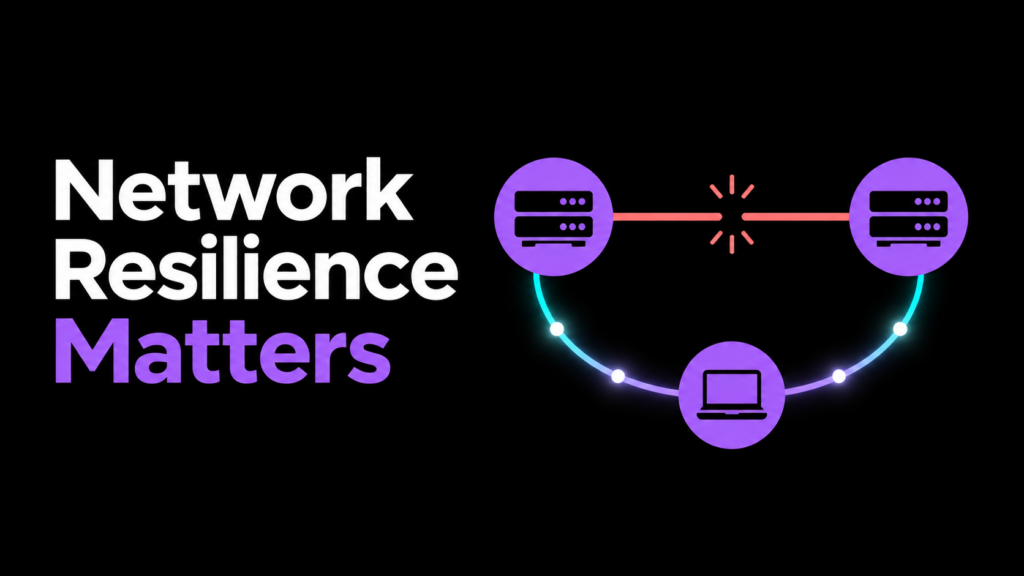
Finally, the deeper lesson is that even the most secure networks fail, and operational resilience is what limits the damage. In addition, the NSA network outage sits in a run of recent disruptions across aviation, cloud services and banking, most of them blamed on routine technical faults rather than attacks. These are the resilience habits worth acting on.
- Test every change. Rehearse upgrades in a staging environment that mirrors production before they touch the live network
- Plan the rollback first. Decide how you reverse a change, and prove the rollback works, before you deploy it
- Keep an out of band channel. Make sure your team can coordinate when the main network is down
- Separate outage from attack. Build a quick triage that tells a technical failure apart from a security incident
- Write the continuity plan. Decide in advance how critical work continues during a long outage
What Should Your Team Do Now?
You cannot patch someone else’s network, but you can harden your own against the same failure modes. Above all, test your resilience rather than assume it. Our 2026 Mid Year Threat Pattern Report shows how fast a single point of failure spreads, and this outage is that pattern without a confirmed attacker. Our team runs penetration testing and vulnerability assessments that map where one change or one dependency could halt your operations, and our PTaaS platform keeps that testing continuous between audits.
Key Takeaways
- The NSA network outage reportedly took down a classified communications network and slowed analyst work at Fort Meade
- Sources report no immediate signs of a cyberattack, though no one has ruled one out and no official statement exists
- Several sources tie the outage to a possible series of software upgrades, which remains unconfirmed
- Treat every detail as reported, not confirmed, because the story rests on anonymous sources and is still developing
- The lesson for every organization is change management and resilience, since a routine upgrade can take down even a secure network
Frequently Asked Questions About the NSA Network Outage
What is the NSA network outage?
Reporting describes an outage of a classified NSA communications network used to move top secret data. Anonymous sources say it has slowed analyst work, and no official statement has confirmed the details.
Was the outage a cyberattack?
Reporting says there are no immediate signs of a cyberattack, but no one has ruled one out. No official source has confirmed a cause either way.
What reportedly caused the outage?
Several sources suggested a possible link to a series of software upgrades on the network. That explanation stays unconfirmed, and officials have not stated a root cause.
How reliable is the reporting?
It rests entirely on anonymous sources and carries a breaking label. Treat every detail as reported, not confirmed, until an official statement arrives.
What can businesses learn from it?
In short, even the most secure networks can fall over from a routine change. The outage is a reminder to test upgrades, plan rollbacks, and keep an out of band way to operate.

