Acquisition
& VC
Avoid a Multi-Million Dollar Cyber Risk
Before You Sign the Deal
Acquiring a company without independently validating its
cybersecurity risk is one of the fastest ways to:
- Inherit a breach you didn’t know existed
- Overpay for a compromised asset
- Trigger post-close incidents that cost millions in
response, legal exposure, and lost revenue
NDA-friendly. Independent validation. No reliance on seller-provided data.
Our Pen Testers & Auditors
Have Been Featured in...
Logos are trademarks of their respective owners. No endorsement implied.
Business Impact
Cyber risk in an acquisition is not theoretical - it converts directly into cost, liability, and operational disruption after closing.
This engagement is designed to surface the risks that affect deal value before they become your responsibility and before they convert into immediate financial cost after closing.

Reduce Financial
Exposure:
Identify vulnerabilities and breach indicators that could result in incident response costs, regulatory fines, and emergency remediation spend immediately after acquisition

Strengthen Negotiation
Leverage:
Use verified findings to reduce purchase price, enforce remediation, or introduce contractual protections before closing

Avoid Post-Acquisition
Disruption:
Prevent outages, breaches, and integration failures that can impact revenue, operations, and customer trust within weeks of acquisition
Our Team Has Discovered
Bug Bounty Vulnerabilities in...
Responsible disclosure / bug bounty findings. No affiliation implied.
Cybersecurity due diligence is often treated as a checkbox exercise - and in most cases, it relies heavily on information provided by the seller.
If you rely on seller-provided information alone, you are not validating risk - you are trusting
the party with the most incentive to minimize it.
That creates a dangerous blind spot. In acquisition terms, you are making a financial decision based on unverified risk.
- Security reports are often outdated, incomplete, or selectively presented
- Breach history may be undisclosed or undetected
- Vulnerabilities that require manual validation remain hidden
- Critical attack paths are never tested under real-world conditions
By the time these issues surface, the deal is closed, the liability has transferred, and the cost is yours.
Unvalidated cyber risk can result in:
- Immediate post-acquisition breaches
- Regulatory and compliance exposure
- Loss of customer trust and contracts
- Emergency remediation costs under pressure
- Reduced ROI on the acquisition
Digital Warfare eliminates this uncertainty by providing independent, adversary-driven validation of cybersecurity risk before the deal closes.
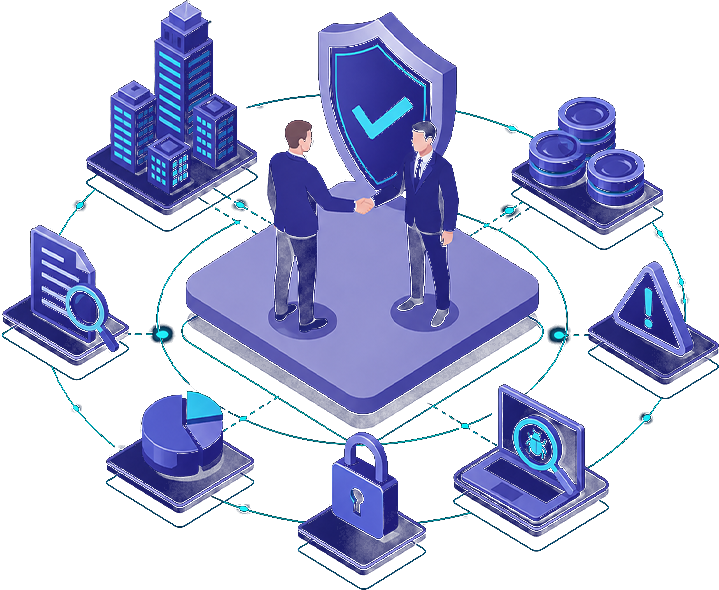
What Is Acquisition & VC Cyber Due Diligence?
Before capital is deployed, investors need proof of real-world security exposure - not just assurances about security posture.
Unlike traditional audits or seller-provided reports, this service:
- Validates exploitability, not just theoretical risk
- Identifies whether a breach is possible, likely, or has already occurred
- Tests real systems, applications, and APIs under attacker conditions
- Evaluates security across infrastructure, identity, and application layers
- Produces evidence-based findings tied directly to financial and operational impact
This is security validation for deal-making, not compliance paperwork.
What We Assess
This assessment helps determine whether the company you are looking to acquire has already been breached, or carries significant risk of being breached in the future. Either outcome can expose investors and acquirers to financial losses, legal liabilities, regulatory obligations, operational disruption, reputational damage, and unexpected remediation costs.
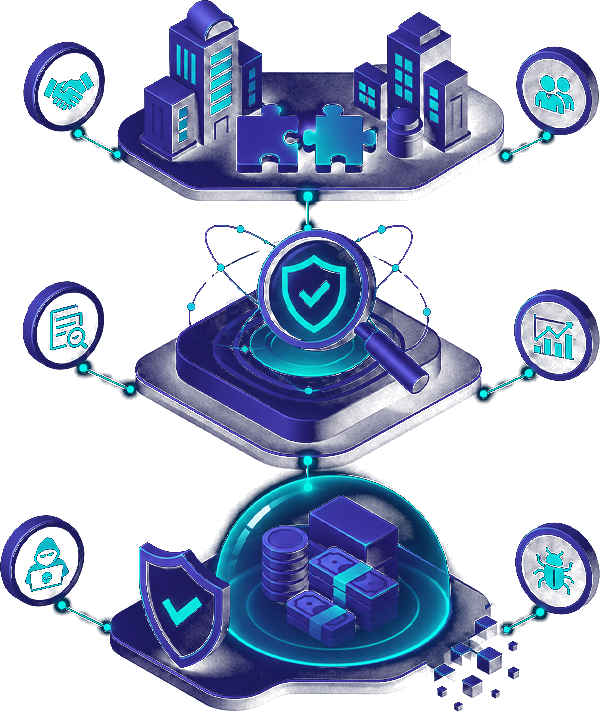
Our Acquisition & VC Due Diligence assessment focuses on three key areas:

Breach Assessment
Determine whether the company has been breached before financial liability transfers to the buyer.
We assess whether the target organization has experienced current or historical compromise, including areas such as unauthorized access, exposed credentials, data exposure, compromised accounts, attacker persistence, or prior breach indicators that could create post-acquisition financial, legal, or regulatory exposure.

Penetration Testing
Independently assess real-world risks that could lead to financial loss after acquisition.
We evaluate the company from an attacker’s perspective to identify exploitable weaknesses, such as application vulnerabilities, infrastructure exposure, cloud misconfigurations, weak authentication controls, privilege escalation paths, or attack chains that could result in compromise, business disruption, or data loss.

Risk Assessment
Analyze the maturity of the company’s cybersecurity program to understand future financial and operational risk.
We assess the organization’s cybersecurity program maturity, including areas such as governance, policies, security controls, identity and access management, risk management, detection capabilities, incident response readiness, and future security investment requirements.
Deliverables
This is not a generic security report.
This is decision-support intelligence designed for investors, deal
teams, and executives.

Executive Risk
Summary:
Provides a clear acquisition risk overview, including breach likelihood, exposure narrative, and financial and operational impact analysis

Technical Findings
with Evidence:
Documents reproducible vulnerabilities with supporting evidence, including screenshots, logs, proof-of-concept details, and affected systems, APIs, and workflows

Risk
Prioritization:
Ranks findings by exploitability, likelihood, and business impact, helping teams focus on risks tied to valuation and operations

Remediation
Guidance:
Provides recommended fixes and pre-close versus post-close prioritization to support practical remediation planning

Deal Support
Insights:
Identifies risks that may impact valuation, contractual protection, remediation requirements, and deal negotiation strategy

Debrief
Session:
Includes a structured walkthrough with the deal team and stakeholders, with Q&A led by senior penetration testers
Methodology and Process
Acquisition timelines are tight, and decisions need to be made quickly. Our methodology is designed to deliver high-confidence results within deal timelines, without sacrificing depth, accuracy, or safety.
Scoping & Objectives
We align on acquisition timeline, target systems, and critical risk areas.
Rules of Engagement (RoE)
Defined testing windows, constraints, and communication protocols.
Manual Testing & Breach Validation
Senior testers perform hands-on penetration testing and breach analysis.
AI-Enhanced Attack Modeling
Our proprietary Digital Warfare AI Hacking Engine accelerates discovery of complex and hidden vulnerabilities.
Exploit Validation
We confirm real-world exploitability and attacker feasibility.
Reporting & Risk Framing
Findings are translated into business risk and acquisition impact.
Debrief & Decision Support
We support stakeholders in interpreting results for decision-making.
Human-Led, AI-Assisted Penetration Testing
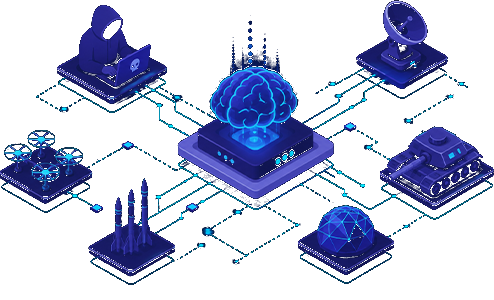
Senior penetration testers perform the assessment while our proprietary xHacker.AI Agentic AI Hacking Engine enhances depth, accelerates discovery, and provides additional perspectives throughout the testing process.
Modern web applications have countless testing permutations and edge cases that must be manually assessed by experienced testers. xHacker.AI augments this process by helping to expand coverage and surface additional areas for review. Senior penetration testers execute test cases, confirm exploitability, document evidence, and deliver remediation recommendations. The result is broader coverage, deeper analysis, and practical guidance backed by human expertise and AI-assisted insight.
Why Manual Testing Is Non-Negotiable To Us
Senior testers execute every engagement. Human judgment, experience, and accountability are the foundation. Nothing replaces that.
Manual penetration testing remains critical because senior testers can:
- Understand business logic and application intent
- Validate real exploitability
- Reduce false positives
- Identify chained attack paths
- Confirm business impact
- Provide practical remediation guidance
We have earned trust across industries such as Health, Finance, and Tech by doing one thing consistently. Putting our best senior testers, each with 25+ years of experience, on every engagement, every time. xHacker.AI makes sure they go further.



Why AI Makes Our Testing Go Further
We use our proprietary xHacker.AI Agentic AI Hacking Engine to support senior-led penetration testing and strengthen the assessment process.
xHacker.AI assists experienced testers by helping identify areas such as:
- Hidden endpoints and undocumented routes
- Authorization and access control patterns
- Token, session, and state-handling weaknesses
- Business logic abuse opportunities
- Chained attack paths
- Unexpected risks that signature-based tools may miss
This is what separates us. Our senior testers own every finding. xHacker.AI expands coverage. Every result is human-validated before it reaches your report. That is the Digital Warfare difference.

Who This Is For
This service is designed for organizations making high-value investment decisions where cybersecurity risk directly impacts valuation and long-term return.
- Private Equity firms
- Venture Capital firms
- Corporate M&A teams
- Investment analysts and deal teams
- Organizations acquiring technology-driven businesses
Common Trigger Events Include:
- Before signing acquisition agreements
- During due diligence phases
- Prior to funding rounds or major investments
- After identifying potential red flags in security posture
- Before integrating acquired systems into your environment
What Changes After The Engagement?
After this engagement, you are no longer relying on assumptions, seller claims, or incomplete reports.
You have defensible, evidence-based clarity on cyber risk before the deal closes.
Typical outcomes include:
- Clear understanding of real cyber risk before acquisition
- Ability to renegotiate deal terms based on validated findings
- Reduced likelihood of post-acquisition breach incidents
- Prioritized remediation roadmap aligned to business impact
- Stronger internal and external confidence in the deal
Why Digital Warfare
Cybersecurity due diligence requires more than reviewing documents.
It requires thinking like an attacker and validating what that attacker can realistically achieve.
Digital Warfare delivers:
- Manual, expert-led testing only
- 25+ years of experience per tester
- Real-world adversary validation
- AI-enhanced discovery with human verification
- Clear, business-aligned reporting
We do not rely on seller narratives. We provide independent, defensible evidence.
Know the Risk Before You Sign the Deal
If cybersecurity risk is not validated before acquisition, it becomes your problem after closing - and the cost is often immediate.
Digital Warfare helps you:
- Identify hidden breach risk before it impacts valuation
- Avoid inheriting vulnerabilities that lead to costly incidents
- Make investment decisions based on verified, independent evidence
Once the deal closes, the risk is no longer theoretical - it is operational, financial, and yours.